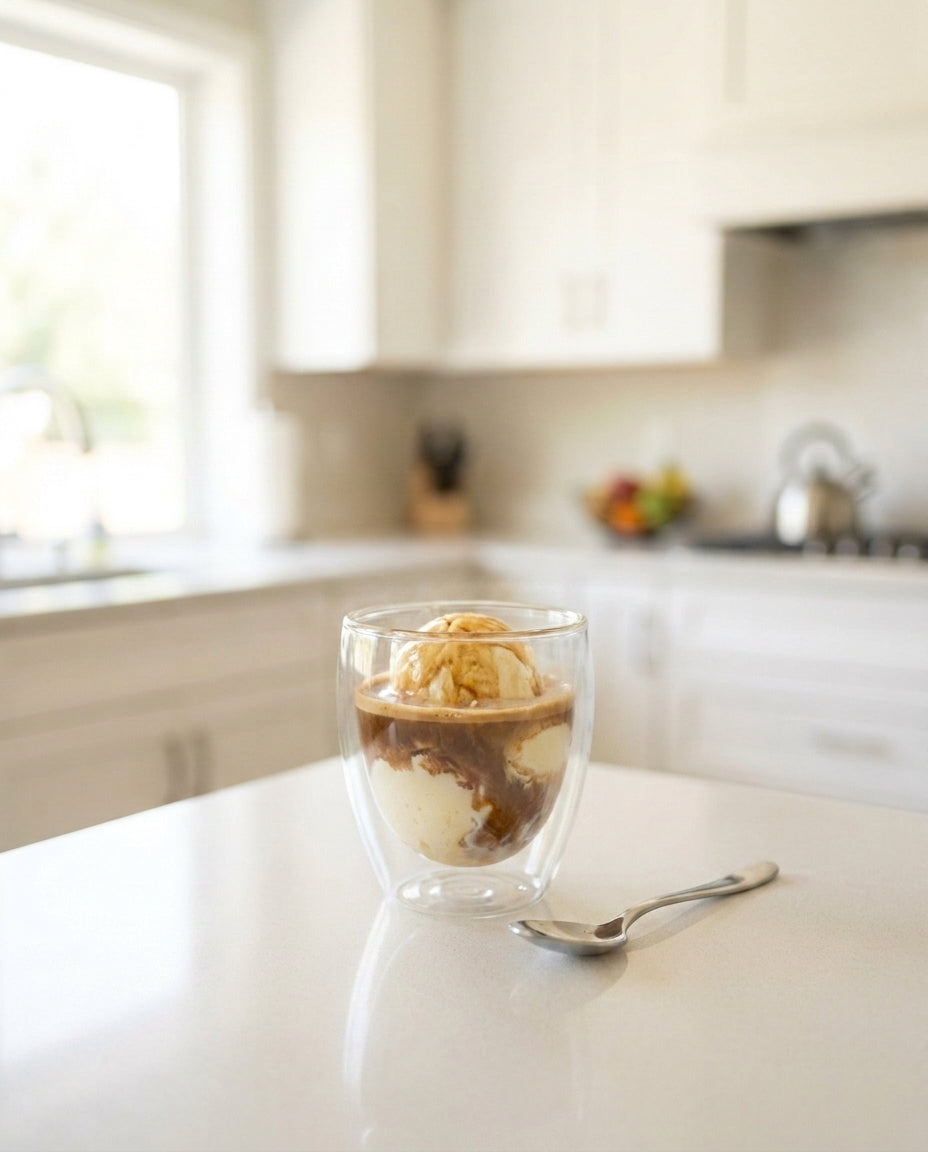
Affogato means "drowned" in Italian, and that's the entire recipe: cold vanilla ice cream, drowned in a hot, fresh shot. It's the dessert that makes owning an espresso machine feel like cheating.
The whole thing lives or dies on contrast. Hot against cold, bitter against sweet, liquid against solid. That's why the espresso has to be freshly pulled and properly hot - a shot that's been sitting for five minutes gives you coffee-flavored soup instead of the slow, marbled melt that makes an affogato worth eating. The ratio matters too: about 4 oz of ice cream to 1-2 oz of espresso keeps the balance tipped toward dessert. Double the espresso against a small scoop and you've made a strange, sweet americano instead - if that's the drink you actually want, we have a proper americano recipe for it.
Because it needs a real shot at its heart, the affogato is also the best gateway recipe an espresso machine owns. If you can pull a shot, you can make this. There is no technique to practice, no milk to steam, no latte art to fumble. The machine does the hard part and the freezer does the rest.
Gelato vs ice cream
Both work, and the choice changes the dessert more than any topping will.
Gelato is churned slower, so it traps far less air. Ice cream makers call that air "overrun," and the difference is dramatic: gelato typically carries around 20 to 30 percent overrun, while American-style ice cream can run up to 100 percent - literally half air by volume. Less air means a denser scoop, and a denser scoop melts slower under 2 oz of hot espresso, giving you a longer window of that marbled, half-melted middle stage where an affogato is at its best. Gelato is also lower in butterfat, so it tastes more of milk than of cream, which lets the espresso lead.
The classic picks are fior di latte - the plain "flower of milk" flavor that is nothing but sweetened dairy - and vanilla bean. Either one gives the espresso a clean, milky backdrop instead of competing with it.
American-style vanilla ice cream is completely legitimate too. In the US, ice cream must contain at least 10 percent milkfat by law, so it brings a richer, creamier finish. It melts faster, which shortens the show but thickens the final sips. Neither choice is wrong; they're two different desserts wearing the same name. Whichever you pick, skip anything with mix-ins - chunks of cookie dough fight the espresso, and the espresso is the flavor.
Get the timing right

Scoop first, pull second. The ice cream can wait in the freezer in its glass; the espresso can't wait anywhere. A standard double shot runs 25 to 30 seconds from first drip, so scoop the glass, start the shot, and use those seconds to grab a spoon and any toppings.
Pour the moment the shot finishes, while the crema is still intact. The crema clings to the ice cream as it melts, which is where the best spoonfuls come from. Espresso starts losing that layer within a couple of minutes of leaving the machine, and its temperature drops fast in a 1-2 oz volume - there just isn't much liquid to hold the heat. Fresh and hot is the entire job description.
If you want repeatable results, weigh the dose the same way you would for any other espresso drink - a small scale takes the guesswork out of the shot, and the shot is half the recipe.
The glass matters more than you'd think

A double-walled glass does two jobs here: the insulation slows the melt, and the glass shows off the marbling as espresso works its way down through the ice cream. It's a two-ingredient dessert, so presentation is doing half the work - our glass cups are made for exactly this.
Size matters as much as material. You need room for a 4 oz scoop plus up to 2 oz of espresso, with a mouth wide enough for a spoon to move around. A tiny demitasse forces a small scoop and overflows on the pour; a big tumbler makes the whole thing look lost. Something in the 5 to 8 oz range hits the mark. And that 10-minute freezer chill in the steps is not decoration - a room-temperature glass starts melting the base of the scoop before the espresso ever arrives.
Affogato corretto and other upgrades
Purists stop at espresso and vanilla, and the purist version needs no defense. But the affogato takes upgrades better than almost any dessert, because everything lands on a neutral vanilla canvas.
The classic move is the corretto - "corrected," the same word Italians use for espresso with a splash of liquor in it. Pour 0.5 oz of amaretto, Frangelico, or coffee liqueur over the scoop before the espresso goes on, and the affogato turns into a bar dessert with zero extra effort. Amaretto brings almond and pairs naturally with crushed amaretti on top; Frangelico adds toasted hazelnut; coffee liqueur doubles down on the espresso. Half an ounce is enough - more and the alcohol flattens the hot-cold contrast that makes the dessert work.
For toppings, small amounts go a long way:
- 1 tablespoon of crushed amaretti (about one cookie) for crunch and bitter almond
- 1 tablespoon of toasted, roughly chopped hazelnuts for texture that survives the melt
- A few curls of shaved dark chocolate, about 2 teaspoons, which soften into the warm espresso without disappearing
Pick one, maybe two. The affogato is a study in contrast, not a sundae.
Serving affogato to a table of guests
This is where the affogato beats every other after-dinner option: it scales without losing anything, and the serve itself is the show.
Scoop every glass ahead of time and hold them in the freezer - they'll keep perfectly for up to 30 minutes, so you can set them up before you sit down to the main course. When it's time, pull shots in rounds of two, carry them out, and pour at the table. The hiss of hot espresso hitting cold ice cream, the crema swirling down through the scoop - the theater is the point, and it costs you nothing but carrying a few cups.
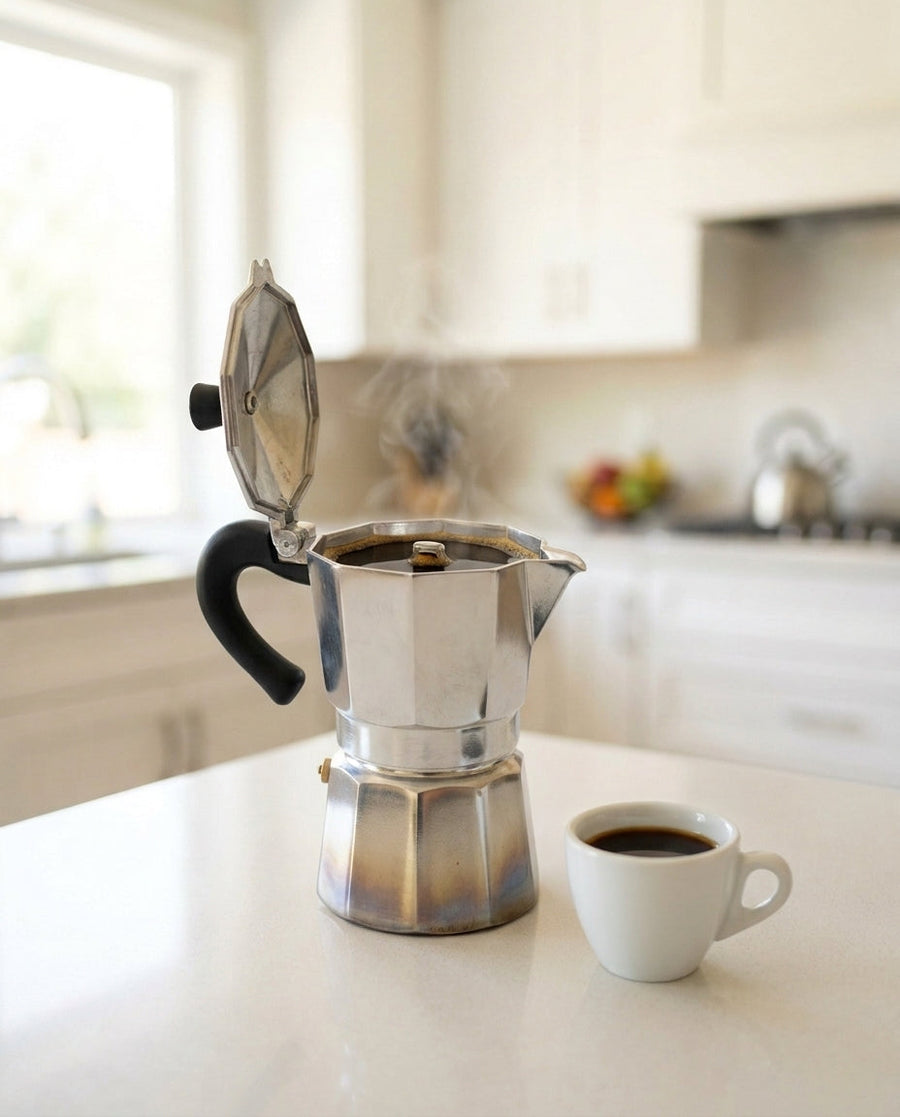
For four guests, that's two quick rounds of doubles and maybe three minutes of work. No plating, no baking, no timing a dessert course around everything else. If you're feeding a crowd without an espresso machine in the room, a moka pot is the honorable backup - a stovetop brew is not a true shot, but it's hot, strong, and concentrated enough to do the drowning. Our moka pot guide covers getting the most out of one.
One thing you will not find in this recipe is a storage section. An affogato lasts about four minutes from pour to empty glass, and there has never once been a leftover to store.
What to serve it with
The affogato's quiet superpower is that it's two courses in one: it replaces both dessert and the after-dinner coffee. Serving it at the end of a dinner party answers "coffee, anyone?" and "who wants dessert?" in a single glass, which is why Italian restaurants love it.
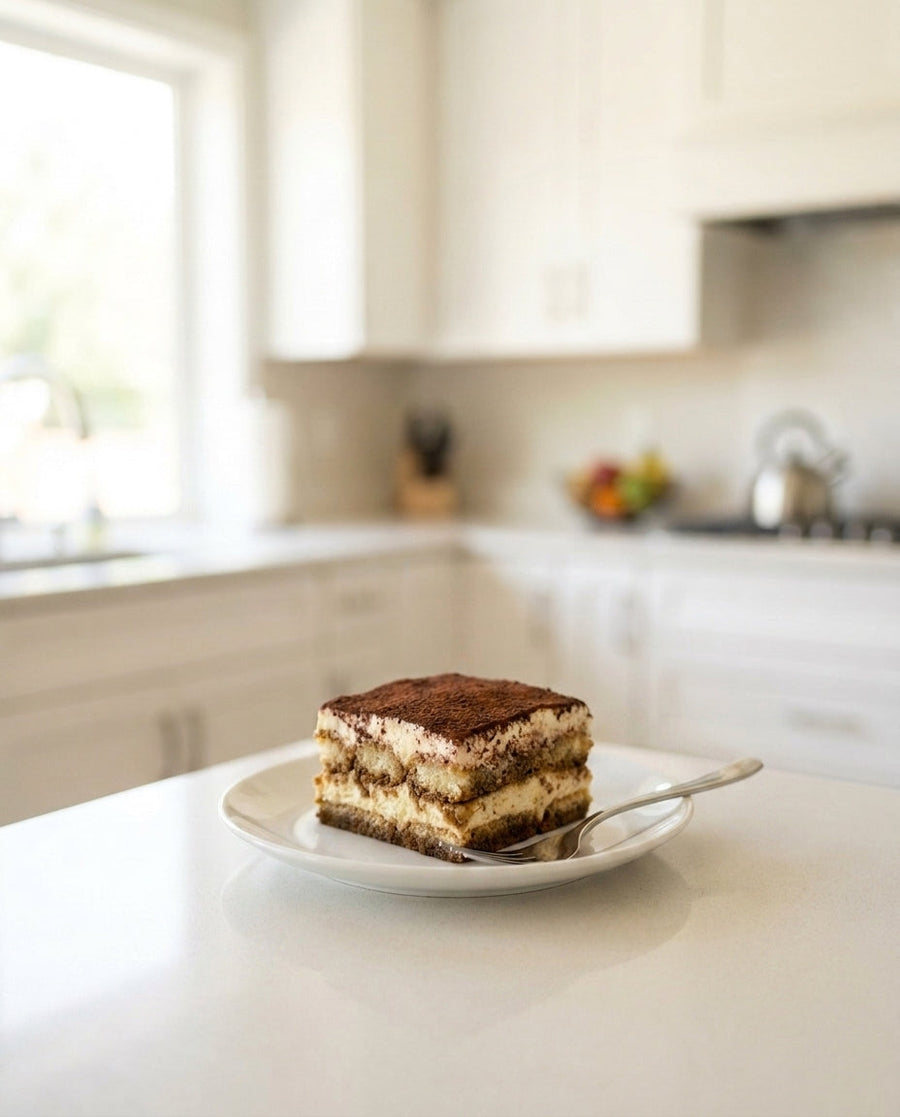
For a coffee-themed finish, pair it with an espresso martini - one guest gets the cocktail, one gets the dessert, and both came off the same machine within minutes. And it slots neatly around bigger desserts: serve it as the fast course before a slower one, or instead of one entirely, since tiramisu from the same machine needs its hours of fridge time and the affogato needs five minutes.
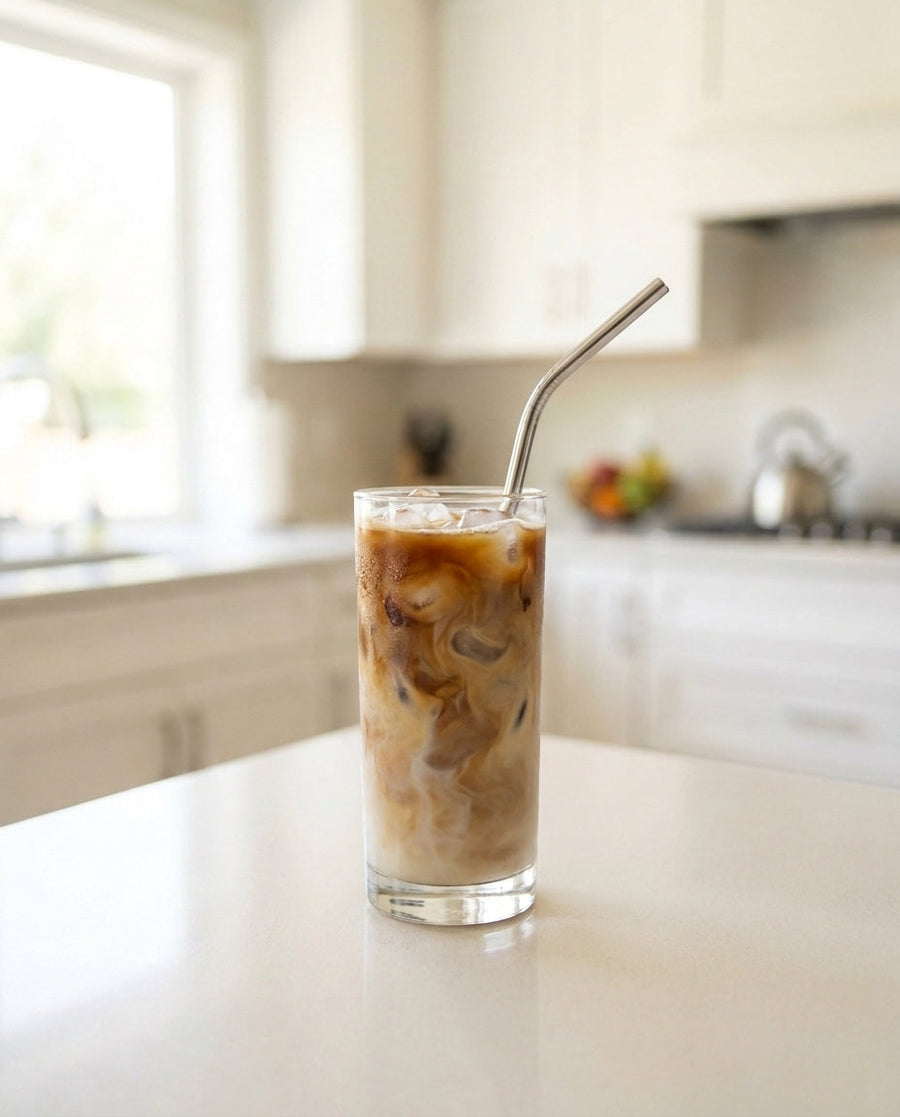
If the table wants a lighter cold-coffee finish instead of a full dessert, an iced latte covers the same craving with fewer calories.