Cold brew is coffee and cold water. You combine them, leave them in the fridge overnight, strain out the grounds in the morning, and you have up to two weeks of smooth, low-acid concentrate ready to pour. No hot water, no espresso machine, no technique to master.
The whole method comes down to four things: your ratio, your grind size, your steep time, and straining out the grounds. Get those right and cold brew makes itself. This guide covers all four - with actual numbers, not vague guidance - so your first batch is ready to drink tomorrow morning.
Why Cold Brew Isn't Just Iced Coffee
Iced coffee starts with hot water - finely ground beans, near-boiling water, fast extraction - then gets poured over ice. That hot-brew process pulls out acidic and bitter compounds, and chilling the coffee afterwards doesn't remove them.
Cold brew does something different. Steep coarse grounds in cold water for 12 to 24 hours and the extraction happens slowly, at low temperature, drawing a different chemical profile from the beans entirely. Cold water extracts fewer of the acidic and bitter compounds that give hot coffee its sharpness. What you get instead is a concentrate that tastes smoother, slightly sweeter, and more full-bodied - without adding anything. The chocolatey and nutty notes of your beans come through more clearly when they haven't been hit with near-boiling water.
Worth learning a separate method for? Yes. The difference isn't subtle - cold brew and iced coffee taste like different drinks. If you've been pouring hot coffee over ice and wondering why it tastes flat or bitter, this is why.
What You Need Before You Start
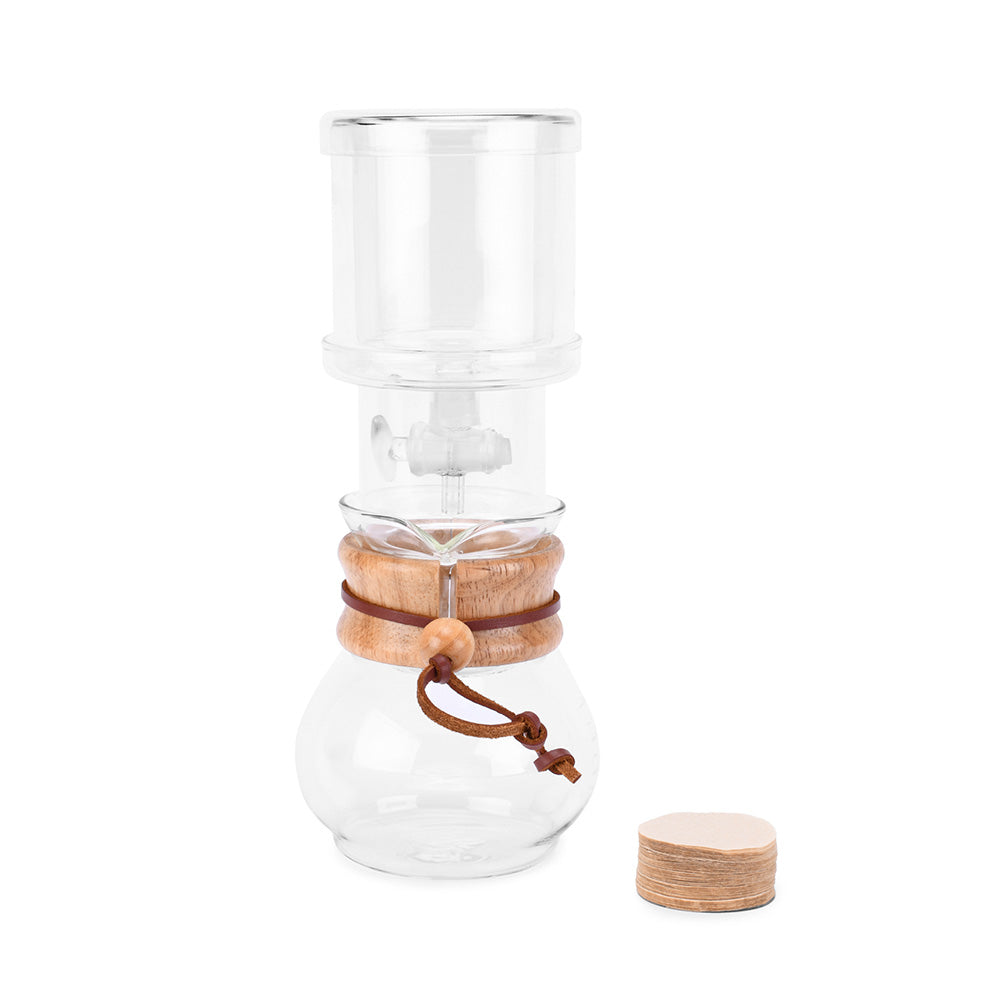
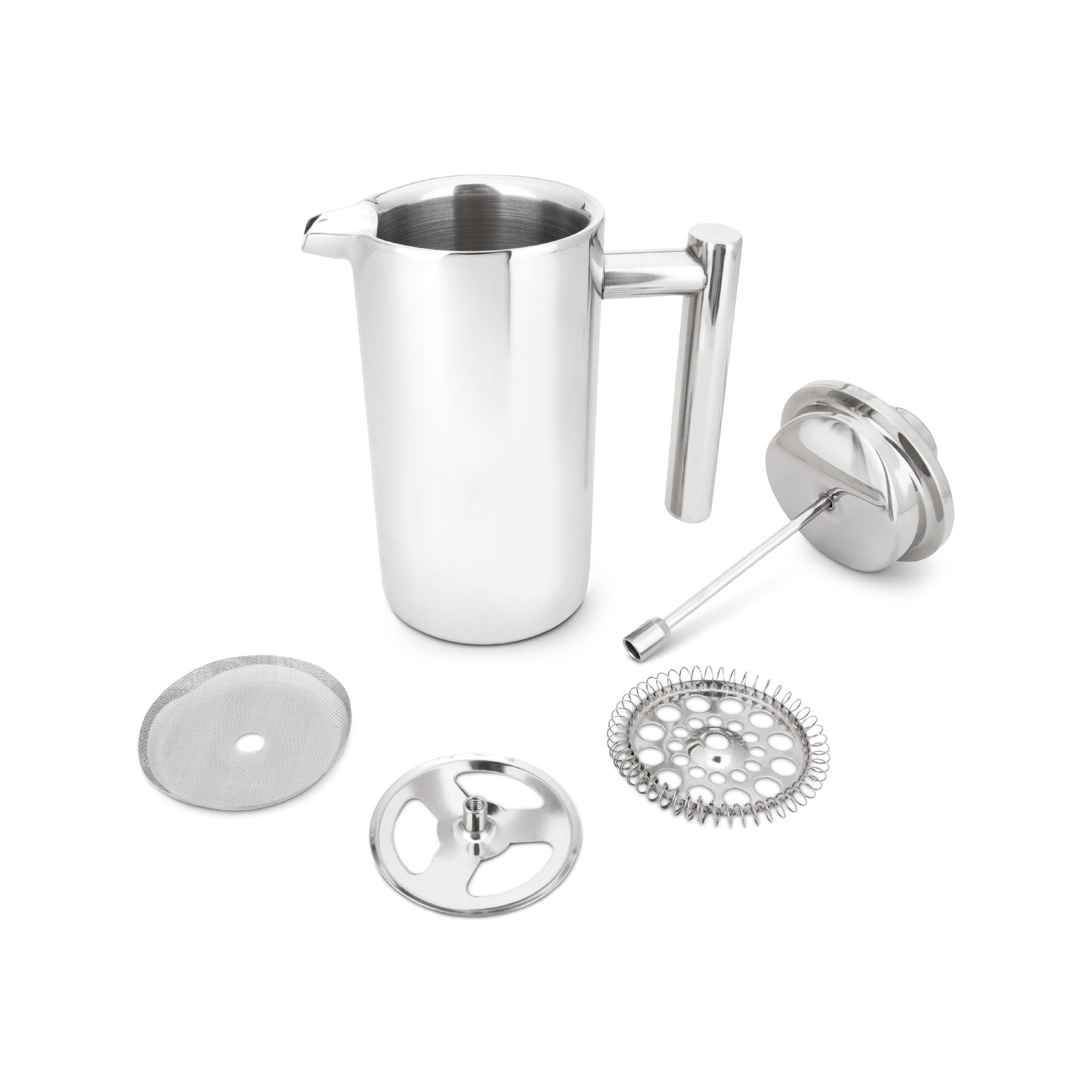
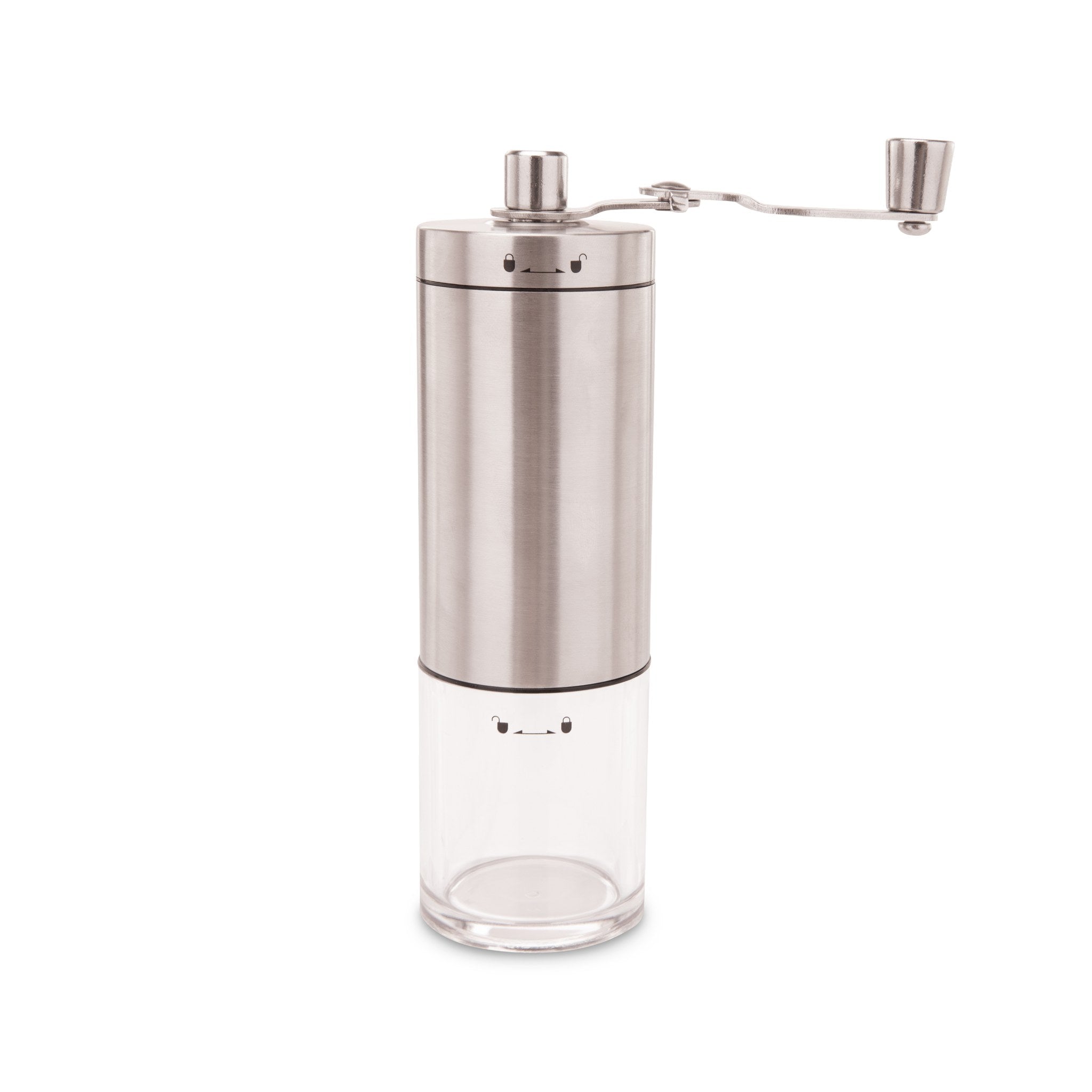
A mason jar and a piece of cheesecloth is all you need. Any large jar or pitcher that holds at least 32oz works fine. You'll pour the steeped coffee through the cheesecloth, a paper filter, or a fine mesh strainer to separate the grounds. If you want to skip the manual straining, our Cold Brew Coffee Maker Kit takes a different approach - it's a glass slow-drip system where cold water drips through your grounds at a speed you control, collecting clean cold brew in the carafe below.
Grind size matters more than any other variable. Set your grinder to extra coarse - rougher than a French press grind, with a texture closer to rough sea salt. Here's why it matters: fine grounds expose far more surface area to the water. Over a 12 to 24 hour steep, that means over-extraction - a bitter, gritty result that no amount of dilution fully fixes. Extra coarse grounds extract slowly and cleanly, which is exactly how cold brew gets its smooth character.
For beans, medium and dark roasts work best. They hold up to the long steep and bring out the chocolatey and nutty notes cold brew is known for. Any whole bean works; grind it fresh for the cleanest flavour. Use filtered water where you can - tap water with a strong chlorine taste will come through in the finished concentrate.
Getting the Cold Brew Ratio Right
Two ratios to know, depending on how you want to drink it.
1:8 (concentrate): 100g of coffee to 800ml of water. This makes a strong concentrate that you dilute 1:1 with cold water, milk, or oat milk before drinking. Start here - it's more flexible, lasts longer in the fridge, and you can adjust the strength of each glass by changing how much you dilute.
1:15 (ready-to-drink): 67g of coffee to 1,000ml of water. This brews at drinking strength - pour it straight over ice, no dilution needed. Simpler, but less versatile and it won't keep as long.
A kitchen scale gives the most consistent results. If you don't have one, a simple volume starting point: 1 cup of coarse-ground coffee to 4 cups of cold water makes a solid concentrate. It gets you close - weighing just removes the batch-to-batch variation.
We'd recommend starting with the 1:8 concentrate. Brew one batch on Sunday night, dilute portions as you go, and you have cold brew ready every morning through the week. Once you've made it two or three times, adjust the ratio up or down by 10-15g of coffee to dial in your preferred strength.
How to Make Cold Brew Coffee Step by Step

With your ratio set and grounds ready, this is the full method. Set it up tonight and it's ready tomorrow morning.
Grind Your Coffee Extra Coarse
Set your grinder to the coarsest setting. You're aiming for a rough sea salt texture - visibly chunky, with no fine powder. Pre-ground coffee works if it's labelled for French press or cold brew, but whole bean ground fresh gives a cleaner result. Weigh or measure your grounds based on your chosen ratio - 100g for a 1:8 concentrate batch, or 1 cup by volume if you're eyeballing it.
Combine Coffee and Cold Water
Add your grounds to your jar, pitcher, or cold brew maker. Pour cold, filtered water over the grounds - 800ml for a 1:8 concentrate with 100g of coffee. Stir gently to make sure all the grounds are saturated. You'll often find dry clumps sitting on top after the initial pour - a quick stir breaks them up and ensures even extraction from the start.
Steep in the Fridge for 12 to 24 Hours
Cover the jar and place it in the fridge. Time does the work from here.
At 12 hours, you'll get a lighter, brighter result. At 18-24 hours, the flavour deepens and the concentration increases. If you're not sure where to start, 14-16 hours is a reliable sweet spot for most people and most beans. Set it up before bed, strain it when you get up - the timing works out naturally.
One note: don't steep at room temperature unless you plan to drink it the same day. The fridge keeps the brew safe and slows over-extraction. Room temperature speeds things up, which makes it easy to overshoot into bitter territory.
Strain Out the Grounds
Pour the steeped coffee through a fine mesh strainer lined with a paper filter or cheesecloth. Go slowly and let gravity do the work. Don't squeeze or press the grounds - this pushes bitter compounds and fine sediment through into your finished brew.
If you're using a cold brew maker with a built-in filter, this step is already handled.
Store the finished cold brew in a sealed glass jar or pitcher in the fridge. It's ready to drink.
How to Serve and Sweeten Cold Brew
If you brewed at the 1:8 concentrate ratio, dilute before drinking. Mix roughly equal parts concentrate and cold water, milk, oat milk, or cream - adjust to taste. Serve over ice. Some dilution from the ice is expected and part of the experience, so don't worry about it watering down.
Here's a tip most cold brew guides skip: granulated sugar won't dissolve in cold liquid. You can stir for five minutes and still find gritty crystals at the bottom. Use simple syrup instead - equal parts sugar and hot water, stirred until dissolved, then cooled. Make a small batch and keep it in the fridge alongside your cold brew. Liquid sweeteners like honey and agave work too.
For milk, the higher the fat content, the richer the result. Whole milk and oat milk both pair well with cold brew's smooth profile. Cream makes it richer still. For flavour, a few drops of vanilla extract, a pinch of cinnamon, or a small pinch of salt all make a noticeable difference without overcomplicating the drink.
How Long Cold Brew Lasts and How to Store It

Cold brew concentrate keeps in the fridge for up to two weeks in a sealed container. Ready-to-drink strength (1:15) is best within 7-10 days. Concentrate lasts longer because the higher coffee-to-water ratio acts as a natural preservative - dilute portions as you go rather than the whole batch at once.
Use a glass jar or pitcher with a tight-fitting lid. Plastic absorbs odours over time, which affects the flavour of your brew. An airtight coffee canister works well if you have one on hand.
If your cold brew smells off, tastes sour, or develops a noticeably different colour, discard it and start a fresh batch.
Frequently Asked Questions
Can I make cold brew without a cold brew maker?
Yes. A mason jar and cheesecloth is the whole setup. Add grounds, add water, steep in the fridge, strain through the cheesecloth. A fine mesh strainer lined with a paper filter works too. No special equipment required.
What happens if I steep cold brew for longer than 24 hours?
Over-extraction becomes a risk. The longer the grounds sit in water, the more bitter compounds get pulled. Past 24 hours - especially at room temperature - the brew can turn harsh and woody. If you accidentally leave it for 28 hours in the fridge, it'll likely be fine. Just taste it before committing to a full glass.
Can I use pre-ground coffee for cold brew?
Yes, but the grind matters. Buy pre-ground labelled "coarse" or "French press grind." Standard pre-ground coffee for drip machines is too fine for a 12-24 hour steep and will over-extract, giving you a bitter, gritty result.
Does cold brew have more caffeine than regular coffee?
Cold brew concentrate (1:8) is stronger than a standard cup of drip coffee. But once you dilute it 1:1 for drinking, the caffeine per serving is roughly comparable. The difference is in the flavour profile, not the caffeine hit.
---
Coarse grind, right ratio, 12-24 hours in the fridge, strain and pour. That's the whole method. Set up your first batch tonight and you'll be drinking it tomorrow morning.
Once you've made it two or three times, cold brew becomes a make-once, drink-all-week habit. The ratio is the only thing you'll adjust, and you'll find your number fast. Everything else stays the same.
If you want a cleaner setup than the jar-and-cheesecloth method, our cold brew collection has everything from the glass drip kit to measuring tools and grinders - one less thing to figure out on your own.